





As Israeli public attempts return to normalcy, war continues to disrupt education and transportation
Limited operations for public transportation and education present unique challenges for working families
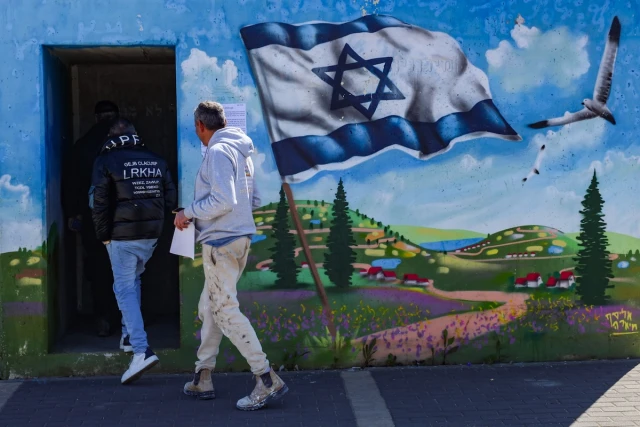
Attempts by the Israeli government to enable the resumption of work and educational activities are facing some challenges.
While the resumption of normal educational activities was postponed following instructions from the IDF Home Front Command, some residents say such a decision would significantly affect the availability of public shelters.
With Israeli children returning to school, thousands of residents who rely on school and kindergarten shelters would lose access to protected spaces during the day. Many live in older homes and apartments without safety rooms and have been using these shelters since the start of Operation Roaring Lion. However, municipal regulations restrict shelter use to students and staff while classes are in session.
The Home Front Command says that people without a safe room in their home should seek shelter in an internal room or in the stairwell of an apartment building. The office also recommended that people without such shelter could stay with friends or family who do have bomb shelters in their home.
Some citizens are complaining that such advice is unrealistic given the destructive force of Iranian ballistic missiles and the long-term nature of the war, as described by U.S. and Israeli authorities, who have suggested the war could last weeks.
The Tel Aviv-Yafo Municipality clarified that the shelters in educational institutions will remain open to the general public outside of school hours.
Families in which both parents work have faced challenges with the current online education format, forcing some parents to stay home with school-age children instead of working. Finance Minister Bezalel Smotrich said the government is working to approve unpaid leave for parents of children under 14, similar to programs implemented during the early months of the Oct. 7 war in Gaza and the COVID restrictions.
Another issue has confronted those trying to return to normal work hours: public transportation across Israel currently operates in a reduced emergency format. This makes it difficult for many employees to get to their workplaces in a reasonable time.
Passengers have reported long waits for buses and trains, with some buses and trains not appearing or stopping before reaching their stated destinations.
The Transportation Ministry has indicated it is preparing to increase the number of buses and trains in operation, but needs approval from the Home Front Command to proceed. The ministry announced that bus lines will increase to approximately 60% of regular activity by the end of the week, compared to about 45% previously.
However, this will only represent a partial resumption of the public transportation system. Several light rail lines are closed for renovation or repairs, while Israel Railways currently only operates main and essential lines in a limited format. On these lines, a combined-route train runs once per hour and smaller stations are closed.
For passengers who live in the periphery or in cities far from their work, these limitations have increased the time to get to work.
The ministry said that transportation companies are preparing to increase activity, but require approval from the Home Front Command.

The All Israel News Staff is a team of journalists in Israel.
You might also like to read this: