





Iranian digital weapon under fire as 𝕏 seeks to curb AI-driven misinformation
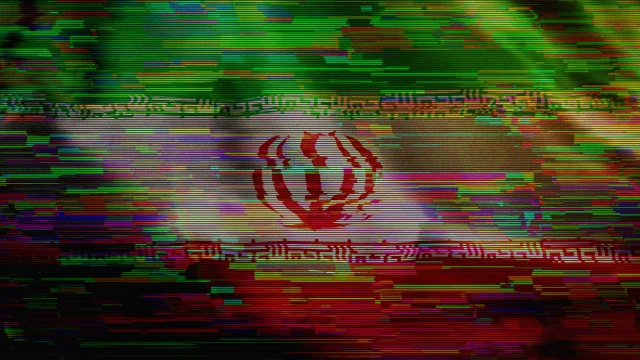
As military operations Roaring Lion and Epic Fury strike missile launchers on the ground, a new front has opened in the digital sphere.
Iranian-backed misinformation campaigns are under fire after 𝕏 (formerly Twitter) announced that users posting undisclosed AI-generated videos of armed conflict will face 90-day suspensions from its Creator Revenue Sharing program, with repeat offenses resulting in permanent bans.
Today we are revising our Creator Revenue Sharing policies to maintain authenticity of content on Timeline and prevent manipulation of the program.
— Nikita Bier (@nikitabier) March 3, 2026
During times of war, it is critical that people have access to authentic information on the ground. With today’s AI technologies,…
The Iranian regime and its supporters have sought to bolster Iran’s military image and wage psychological warfare through digital manipulation, inflated casualty figures, and the recycling of old images.
“They want to send the message to the Americans or Israelis that this is not a Disney-like scenario, where you attack us and we give up power on a silver platter,” he said. “This is going to be bloody and costly,” Omid Memarian, senior analyst at the Washington-based nonprofit DAWN, told The New York Times.
— Naveen 18 (@Naveen10293847) March 4, 2026
Earlier this week, an AI-generated video circulated on social media falsely showing a missile strike on a “U.S. military base” in Turkey.
Turkey’s Directorate of Communications quickly denied the claim, noting that no foreign bases exist in the country and calling the posts “a clear act of disinformation.”
The danger of this misinformation is amplified when it is spread in coordinated networks or by journalists and officials, who have even defended the false content as illustrative, lending it legitimacy. UN Special Rapporteur Francesca Albanese shared an AI-generated image purporting to show mourning at the coffins of hundreds of schoolgirls. UN Watchdog’s Hillel Neuer noted the image was flagged as 97% AI-generated and lacked any verifiable evidence. “The picture is not the issue,” Albanese responded.
This photo shared by UN rapporteur Francesca Albanese is 97% fake. By spreading false information, she is in gross violation of the UN Code of Conduct.
— Hillel Neuer (@HillelNeuer) March 4, 2026
We call again on @VUBrussel @UAntwerpen & @ugent
to reconsider their decision to award her an honorary doctorate on April 2. 🧵 https://t.co/0NMtiGOZVZ pic.twitter.com/k5RGXz19po
The misinformation isn’t limited to fabricated images; old footage is also being repurposed. Videos claiming Iranian strikes on an Israeli nuclear site and a CIA building in Dubai were actually recycled footage from a 2017 Ukrainian depot fire and a 2015 residential tower fire elsewhere, the same New York Times report found.
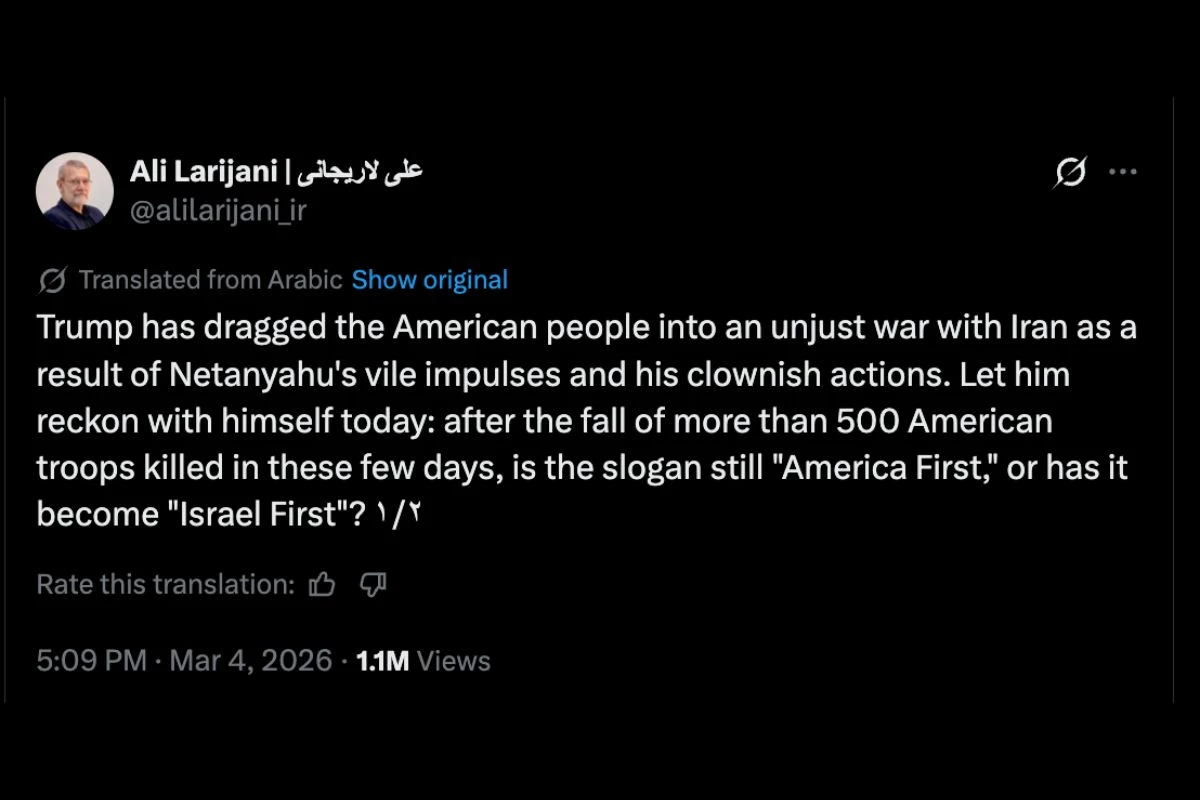
False or exaggerated numbers have been another key tool in Iran’s misinformation campaign. On Wednesday, Ali Larijani, Secretary General of Iran's National Security Council, falsely claimed on 𝕏 that “more than 500 American troops” had been killed. That number starkly contrasted official U.S. military figures confirming six service member fatalities to date. Larijani’s tweet already reached one million views in the past 24 hours.
Ultimately, the effort to curb monetized misinformation reflects a growing urgency to protect truth. “During times of war, it is critical that people have access to authentic information on the ground,” Nikita Bier, 𝕏’s head of product, emphasized in the platform’s announcement. “We will continue to refine our policies and product to ensure 𝕏 can be trusted during these critical moments.”

The All Israel News Staff is a team of journalists in Israel.
You might also like to read this: