





Inside the real challenge of dealing with Iran: Marco Rubio just said the quiet part out loud
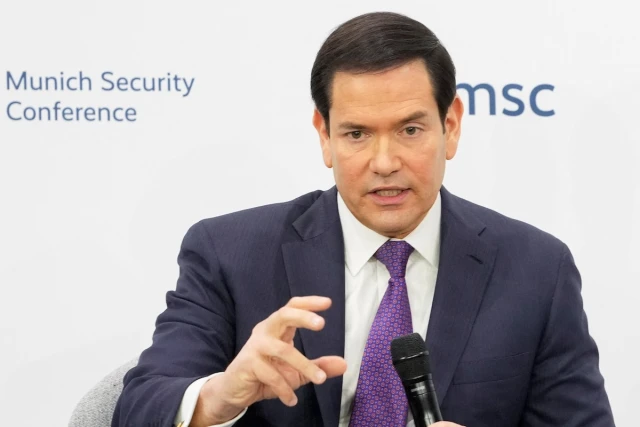
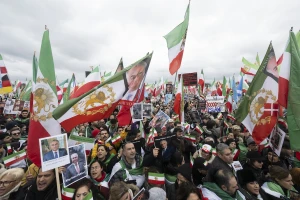
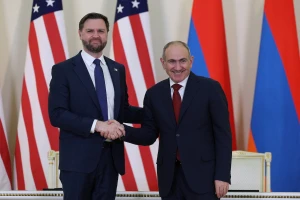
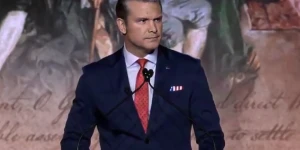
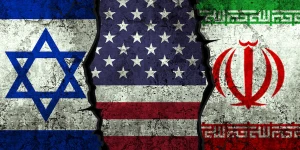
This past week on his tour across Europe, Secretary of State Marco Rubio observed the truth about the current U.S.-Iran nuclear disarmament negotiations.
“We’re dealing with radical Shia clerics who make geopolitical decisions based on pure theology,” Rubio stated. “It's a complicated thing. No one has ever been able to do a successful deal with Iran, but we're going to try.”
That wasn’t merely campaign-style rhetoric – it was a signal. And if you’re paying attention, it tells you a lot about where nuclear negotiations with Iran may be headed.
An insider close to the process told ALL ISRAEL NEWS that the chances of a nuclear agreement with Iran are low. “The only hope is that Iran is so petrified of Trump – as it should be – that it sees no choice but to cave,” the source said.
The Trump administration understands that the obstacle isn’t truly centrifuges, enrichment levels or ballistic missiles. Ultimately, it is the Islamic regime's. Let’s be honest: when you’re negotiating with Tehran, you’re not just dealing with ordinary politicians. You’re dealing with a regime born out of the 1979 Islamic Revolution that combined a lethal dose of theology and state power. Politics and religion are not separate lanes in Iran – they are intertwined and that creates a unique challenge.
Writers like Robert Spencer, director of Jihad Watch, point to the Iranian Shi’a principle known as Taqqiya, which is rooted in the Quran. It’s the practice of concealing one’s faith or identity to avoid persecution and protect believers in dangerous situations. Iran has used this concept both legally and theologically for self-preservation.
“This can involve misleading an enemy and fostering complacency within him, so the very act of wanting to negotiate could be a mere delaying tactic to allow the Islamic Republic to recover its strength,” Spencer told ALL ISRAEL NEWS.
“The negotiations themselves are unlikely to yield any substantive results, because of this same intent to deceive. The central goals of the Islamic Republic – the destruction of Israel and even of the U.S. – are not going to be discarded or negotiated away, as they are based on Islamic principles of jihad and the idea that any land once ruled under Islamic law belongs to Muslims forever.”
This principle – a deliberate attempt to deceive international observers – seems to be driving Iran's negotiation tactics regarding its nuclear program.
Furthermore, for Iran’s ruling clerics, compromise can look like religious weakness. When the U.S. and the West push for disarmament, Iranian hardliners don’t necessarily hear “arms control.” They view it as an attempt to weaken the Islamic State.
This ideological and theological prism looks to stand up to arrogant powers like the United States. Simply put, it isn’t just strategic; it’s doctrinally reinforced.
So, what does this mean for negotiations going forward? The United States is not going to confront the Iranian theology and ideology head-on. American negotiators won't be lecturing Iranian clerics about their theology. That’s a non-starter with this regime.
Instead, the initial language will be softer, centering on de-escalation, not surrender. The clerical leadership cannot look defeated. Any agreement will have to be structured in a way that allows Tehran to claim sovereignty and strength.
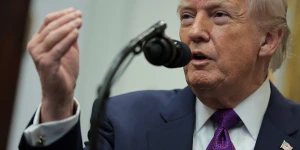
But don’t bet on that happening because there’s a wild card and his name is Trump.
This is neither the Obama administration nor the Biden administration.
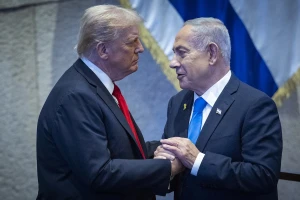
U.S. President Donald Trump operates from a different playbook. His version of “peace through strength” is not just about speeches and sanctions. It’s about demonstrating that the second half of that phrase – strength – is real. We saw that dynamic play out last July during Operation Midnight Hammer, when key Iranian nuclear sites were bombed in massive U.S. and Israeli airstrikes.
From Trump’s perspective, the strategy is layered. First, apply heavy sanctions. Second, increase pressure by designating the Islamic Revolutionary Guard Corps as a terrorist organization.
But most of all, keep regime-change rhetoric in the background as leverage. And here’s what makes it different: Trump is willing to walk away from the table. That unpredictability matters.
The question Iranian leaders have to ask themselves is simple: do they really want to test Trump? How did that work out last July? At the same time, this is not a rush-to-war scenario. There’s a reason Rubio said, “We’re going to try.”
The administration knows that military action carries enormous regional consequences. But they also seem to understand that they are negotiating with an Iranian regime driven by ideological conviction and a completely different worldview, one that believes in “Death to America” and the view that the U.S. is “The Great Satan.”
That doesn’t make a deal impossible. But it does make it extraordinarily difficult.
Whatever happens, the following is true: Secretary of State Rubio’s comments weren’t off-the-cuff. They were diagnostic in nature, and they cut to the heart of the issue: How does America truly negotiate with a regime fervently devoted to a religious cause bent on its destruction?
Want to help more people find our reporting from Israel? Leave a quick Google review of our website HERE .
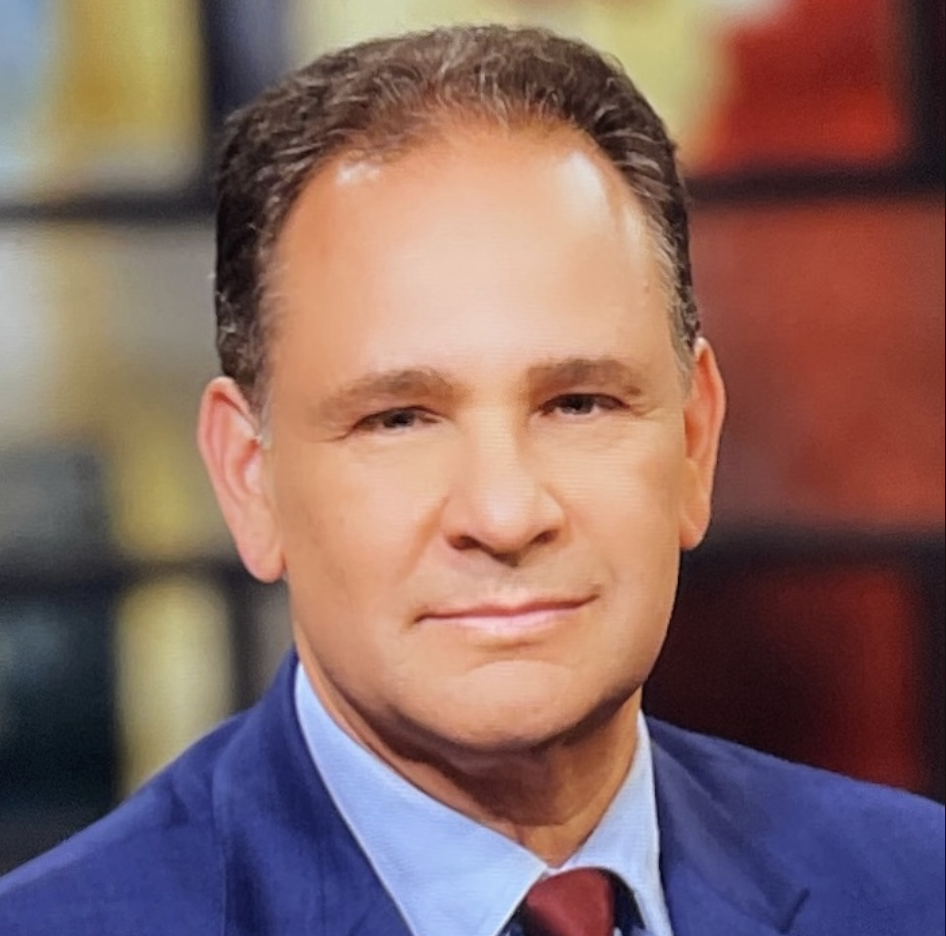
David Brody is a senior correspondent for both ALL ISRAEL NEWS. He is thirty-eight-year Emmy Award veteran of the television industry and has served as the Chief Political Analyst for CBN News/The 700 Club for the last 23 years. David is the author of two books including, “The Faith of Donald Trump” and has been cited as one of the top 100 influential evangelicals in America by Newsweek Magazine. He’s also been listed as one of the country’s top 15 political power players in the media by Adweek Magazine.
You might also like to read this: